Flags of the world: what they mean and where they come from
The stories behind 120 flags: what the colours and symbols stand for, how each design came about, and which famous tales are only legends. Researched from official sources and flag specialists, and gathered into one article per region.
120 flags
No flag matches your search.
Western and Northern Europe 16
Read the article: Flags of Western and Northern Europe-
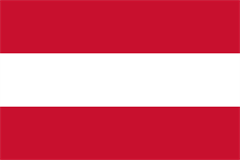 AustriaAustria's red-white-red goes back to the Babenberg dynasty.
-
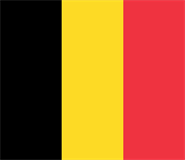 BelgiumBelgium's three colours come from the old arms of Brabant.
-
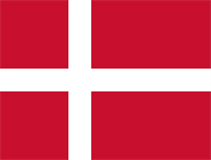 DenmarkThe Dannebrog is one of the oldest national flag traditions still in use.
-
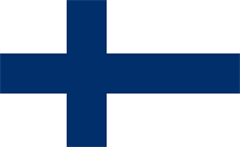 FinlandThe blue cross and white field recall Finland's lakes and winter.
-
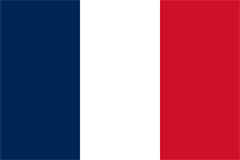 FranceThe French tricolour became a shared national emblem in the period of the Revolution.
-
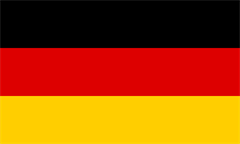 GermanyBlack, red and gold are the colours of the movements for unity and freedom.
-
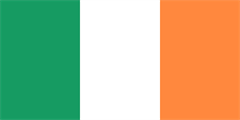 IrelandThe white stripe in the middle of Ireland's flag is a wish for peace between different traditions.
-
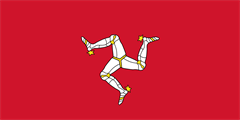 Isle of ManCrown dependencyThe three legs of the Isle of Man are associated with the idea of staying upright whichever way they are turned.
-
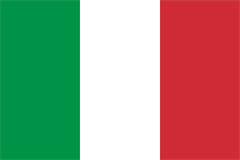 ItalyItaly's three colours grew from local military emblems into a symbol of national unity.
-
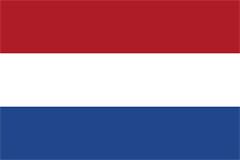 NetherlandsThe Netherlands' three colours form one of Europe's most influential flag traditions.
-
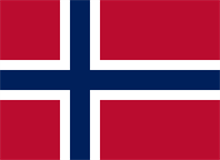 NorwayThe Norwegian flag combines the Nordic cross with the colours of liberty.
-
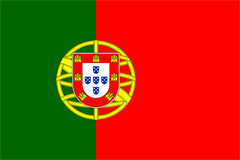 PortugalThe Portuguese flag combines the colours of the republic with a much older coat of arms.
-
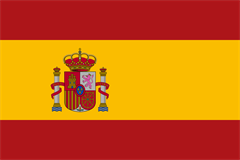 SpainSpain's colours drew strength from the need to be recognised from far away at sea.
-
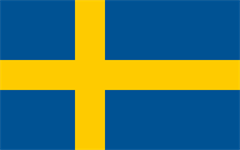 SwedenThe golden cross on blue carries Sweden's old heraldic colours.
-
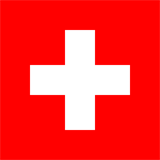 SwitzerlandThe red square with a white cross comes from Switzerland's military past.
-
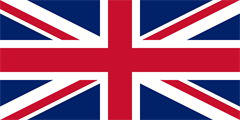 United KingdomThe Union Jack shows historical unions through crosses laid over one another.
Central, Eastern and South-Eastern Europe 20
Read the article: Flags of Central, Eastern and South-Eastern Europe-
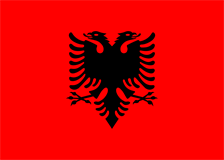 AlbaniaAlbania's double-headed eagle is linked to the historical legacy of Skanderbeg.
-
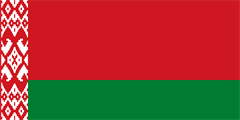 BelarusThe Belarusian flag combines red and green with a traditional woven pattern.
-
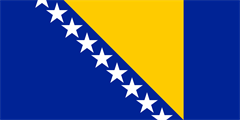 Bosnia and HerzegovinaBosnia and Herzegovina's line of stars carries the idea of a Europe that reaches beyond borders.
-
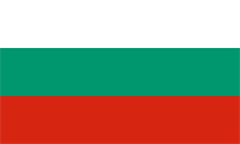 BulgariaBulgaria's green stripe sets it apart from the Slavic tricolour tradition.
-
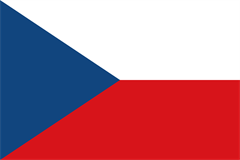 CzechiaCzechia continued the former Czechoslovak flag in its new state.
-
 EstoniaEstonia's blue, black and white grew from a student society's colours into a national symbol.
-
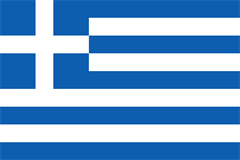 GreeceGreece's nine stripes are linked with the tradition of independence.
-
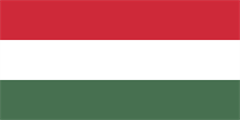 HungaryHungary's three colours link the freedom movements with the colours of the historical coat of arms.
-
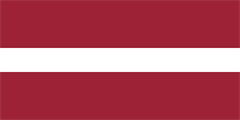 LatviaLatvia's dark red and thin white stripe rest on a very old account of a flag.
-
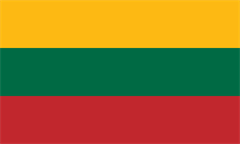 LithuaniaLithuania's three colours are a shared symbol of the period of national awakening.
-
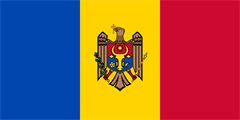 MoldovaMoldova's eagle carries the historical Moldovan coat of arms on its breast.
-
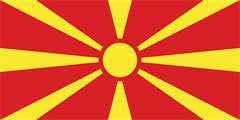 North MacedoniaThe eight-rayed sun is North Macedonia's image of freedom.
-
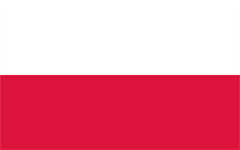 PolandPoland's two colours were born from the historical arms with the white eagle.
-
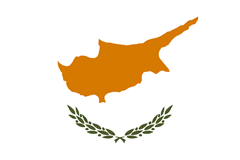 Republic of CyprusThe copper-coloured island and olive branches carry a message of peace.
-
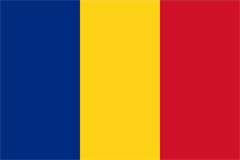 RomaniaRomania's three colours developed together with revolutions and the founding of the state.
-
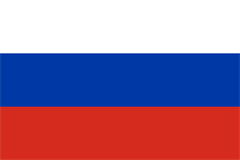 RussiaRussia's three colours stretch from an old maritime tradition to the modern state.
-
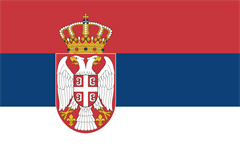 SerbiaSerbia's three colours are joined with the historical double-headed eagle coat of arms.
-
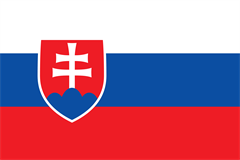 SlovakiaSlovakia's three colours are set apart by a historical shield with a double cross.
-
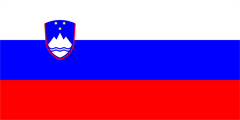 SloveniaSlovenia's coat of arms shows Mount Triglav and its waters.
-
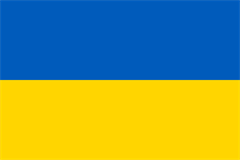 UkraineBlue and yellow are associated with Ukraine's historical colours and its landscape.
The Middle East and the Caucasus 18
Read the article: Flags of the Middle East and the Caucasus-
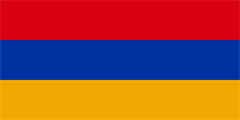 ArmeniaThe orange of Armenia's flag represents labour and creativity.
-
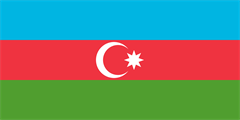 AzerbaijanBlue, red and green bring together Turkic identity, modernisation and Islamic culture.
-
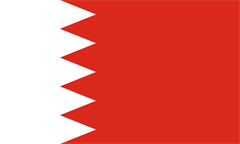 BahrainBahrain's five points set it apart from similar Gulf flags.
-
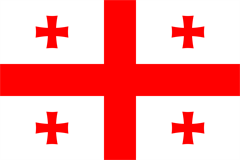 GeorgiaGeorgia's five-cross flag turns medieval imagery into a symbol of the modern state.
-
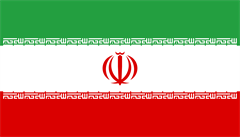 IranThe Iranian flag combines the old tricolour layout with symbols from after 1979.
-
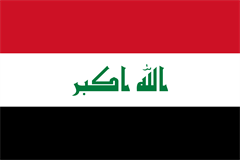 IraqIraq's flag carries the green takbir inscription on the Arab colours.
-
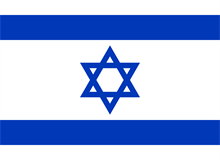 IsraelThe blue-and-white flag builds on the Jewish prayer shawl and the Star of David tradition.
-
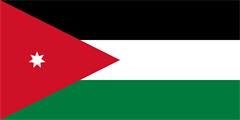 JordanJordan's seven-pointed star sets it apart from similar Pan-Arab flags.
-
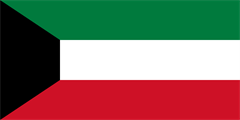 KuwaitKuwait's four colours linked the country to the shared Arab colours with independence.
-
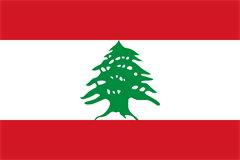 LebanonLebanon's cedar is a symbol of its mountains and of a long-lived historical identity.
-
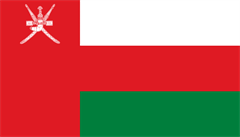 OmanOman's flag combines the old red banner with white and green.
-
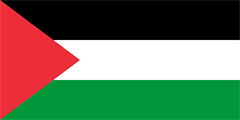 PalestineThe Palestinian flag brings the Pan-Arab colours together in one symbol of national identity.
-
 QatarQatar's dark maroon sets it apart among the red flags of the Gulf.
-
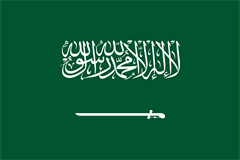 Saudi ArabiaThe green flag carries a statement of faith and a sword together.
-
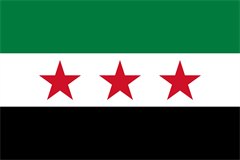 SyriaSyria's current flag returns to the three-star design of the independence period.
-
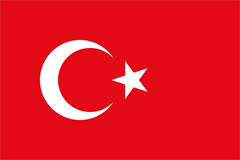 TürkiyeThe red flag with the crescent and star is a symbol of Türkiye's independence and shared identity.
-
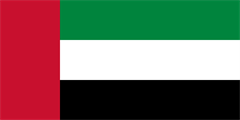 United Arab EmiratesFour colours represent a new federation and a shared Arab culture.
-
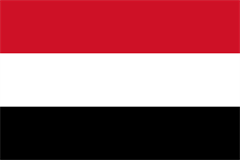 YemenYemen's plain three colours symbolise the union of two states.
South and Central Asia 11
Read the article: Flags of South and Central Asia-
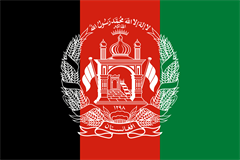 AfghanistanDepends on the contextWhen describing Afghanistan's flag, the period and context being used must always be stated.
-
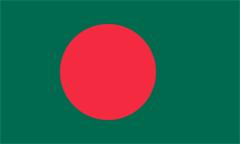 BangladeshA red sun rising on a green field carries the memory of independence.
-
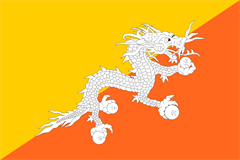 BhutanBhutan's white dragon carries the country's Thunder Dragon tradition.
-
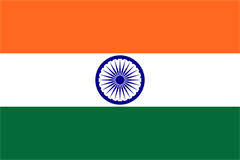 IndiaThree colours and a wheel express the values of independent India.
-
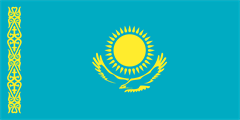 KazakhstanOn Kazakhstan's flag, a steppe eagle soars beneath the sun.
-
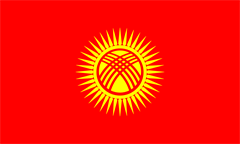 KyrgyzstanKyrgyzstan's sun brings together the story of the forty tribes and the roof of the yurt.
-
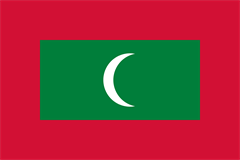 MaldivesThe Maldives' crescent sits on a green field within a red frame.
-
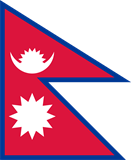 NepalThe two-pennant flag of Nepal is the only national flag in the world that is not a rectangle.
-
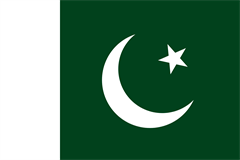 PakistanThe green field and the white stripe bring different faith communities together on one flag.
-
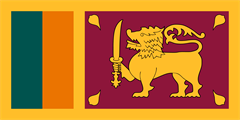 Sri LankaThe lion, leaves and coloured stripes bring together Sri Lanka's different traditions.
-
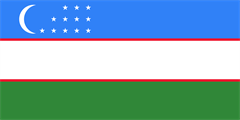 UzbekistanUzbekistan's flag links a new state with older cultural traditions.
East and Southeast Asia 15
Read the article: Flags of East and Southeast Asia-
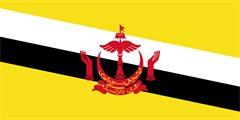 BruneiOn Brunei's flag, yellow stands for the sultanate, and the diagonal stripes recall the historical order of government.
-
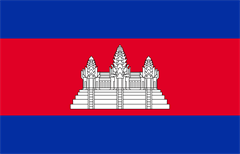 CambodiaCambodia's flag places Angkor Wat at the centre of the country's historical continuity.
-
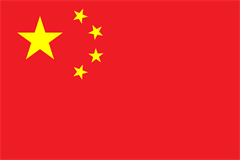 ChinaThe red flag with five stars expresses the idea of political unity.
-
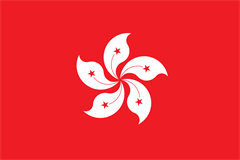 Hong KongSpecial administrative regionHong Kong's white bauhinia flower is a sign of regional identity.
-
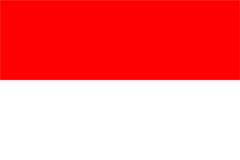 IndonesiaRed and white keep the memory of independence alive in a plain flag.
-
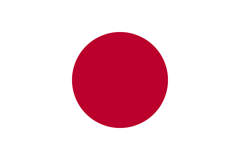 JapanThe Hinomaru expresses the sun with a single red circle.
-
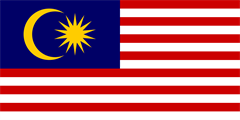 MalaysiaThe Jalur Gemilang joins the members of the federation through stripes and a star.
-
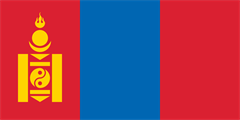 MongoliaThe Soyombo brings together Mongolia's symbols of independence and culture.
-
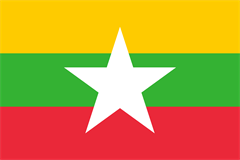 MyanmarMyanmar's large white star spreads across the whole of the three-coloured field.
-
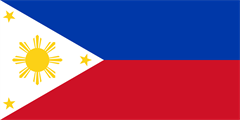 PhilippinesThe Philippine flag shows the islands, the struggle for independence and a dawning era.
-
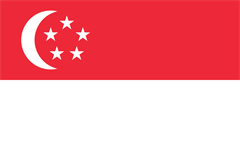 SingaporeSingapore's crescent stands for a young country, and its five stars for shared ideals.
-
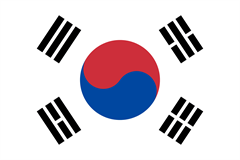 South KoreaThe Taegeukgi combines the idea of balance and harmony with heaven, earth, water and fire.
-
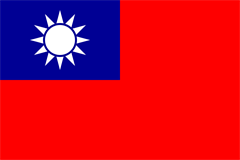 TaiwanSeparate administration and flag recordThe flag with the white sun is the symbol of Republic of China history that continues in Taiwan.
-
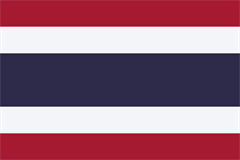 ThailandThe symmetrical tricolour of Thailand is explained through nation, religion and monarchy.
-
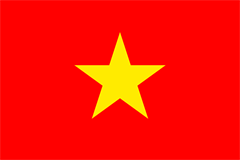 VietnamThe golden star on a red field carries the idea of revolution and a shared nation.
Africa 15
Read the article: Flags of Africa-
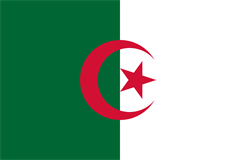 AlgeriaThe star and crescent at the centre of the green and white field carry Algeria's history of independence.
-
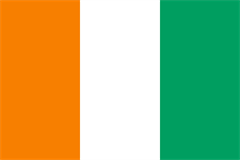 Côte d'IvoireThe three colours of Côte d'Ivoire's flag describe a country stretching from savannas to forests.
-
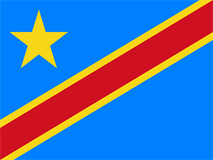 Democratic Republic of the CongoThe yellow star on the flag of the Democratic Republic of the Congo carries the idea of a bright future.
-
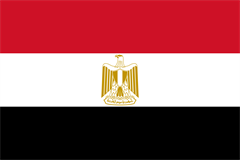 EgyptThe eagle on Egypt's flag is a symbol of the Arab republican tradition.
-
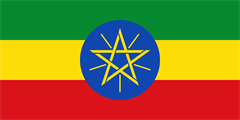 EthiopiaEthiopia's colours inspired many of Africa's independence flags.
-
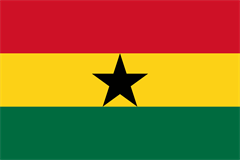 GhanaGhana's black star is one of the best-known symbols of African freedom.
-
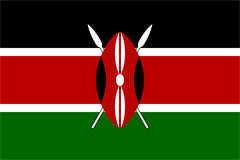 KenyaKenya's shield expresses the will to defend freedom.
-
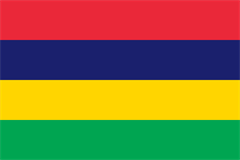 MauritiusThe four horizontal colours of Mauritius describe island life and the hope of independence.
-
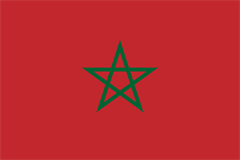 MoroccoMorocco's red flag is distinguished by the green Seal of Solomon.
-
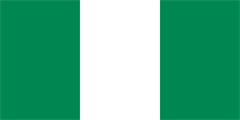 NigeriaNigeria's green-white-green highlights the ideas of agriculture and peace.
-
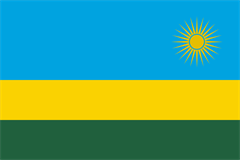 RwandaThe sun on Rwanda's flag carries the idea of a new beginning and enlightenment.
-
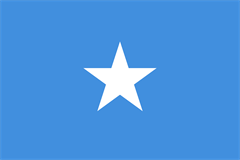 SomaliaThe five-pointed star of Somalia carries the ideal of unity of the historical Somali communities.
-
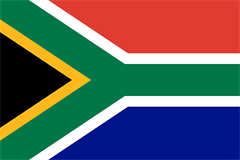 South AfricaConverging lines express different people moving towards a shared future.
-
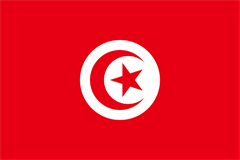 TunisiaTunisia's flag combines Ottoman influence with its own distinctive white disc.
-
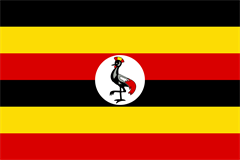 UgandaUganda's crowned crane puts the country's wildlife at the centre of its national identity.
North and Central America and the Caribbean 13
Read the article: Flags of North and Central America and the Caribbean-
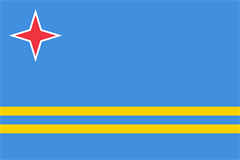 ArubaCountry within the Kingdom of the NetherlandsAruba's four-pointed star describes the island and the people who came from different directions.
-
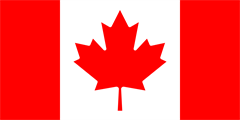 CanadaA single maple leaf became a shared and easily recognised symbol for Canada.
-
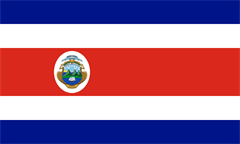 Costa RicaCosta Rica added a wide red stripe to the blue-and-white tradition of Central America.
-
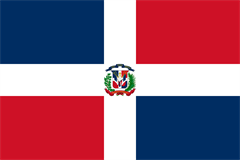 Dominican RepublicThe white cross of the Dominican Republic joins its four coloured fields together.
-
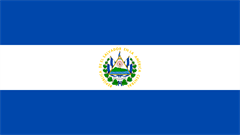 El SalvadorEl Salvador's blue-and-white flag carries the memory of the old Central American union.
-
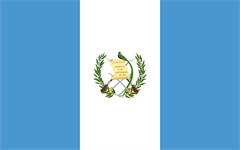 GuatemalaThe quetzal bird on Guatemala's flag is a symbol of freedom.
-
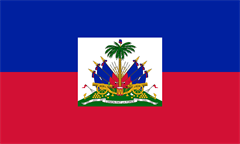 HaitiThe flag of Haiti carries the memory of the struggle for independence against colonial rule.
-
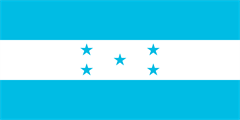 HondurasThe five stars of Honduras look back to the former Central American federation.
-
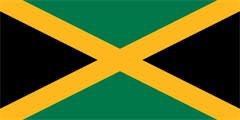 JamaicaJamaica's golden saltire joins the strength of the people with the sun and greenery.
-
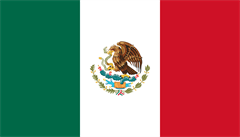 MexicoThe eagle, snake and cactus bring Mexico's founding story onto the flag.
-
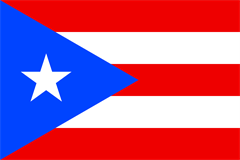 Puerto RicoTerritoryThe flag of Puerto Rico came about by reversing the colour arrangement of the Cuban flag.
-
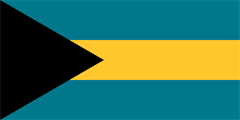 The BahamasThe Bahamas' flag places a symbol of strength between the sea and the sand.
-
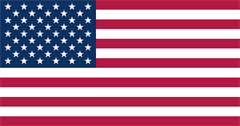 United StatesThe stripes show the beginning, and the stars show today's states.
South America 7
Read the article: Flags of South America-
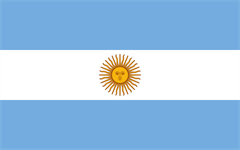 ArgentinaThe Sun of May at the centre of light blue and white recalls the period of independence.
-
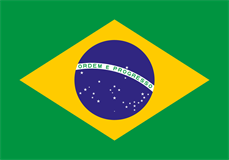 BrazilBrazil's flag carries the sky under which the republic was born.
-
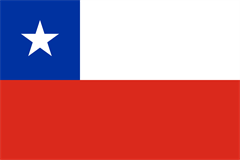 ChileThe single-star Chilean flag has kept its basic form since the independence period.
-
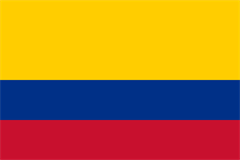 ColombiaColombia's wide yellow stripe sets apart its tricolour independence heritage.
-
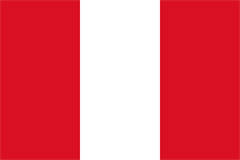 PeruPeru's two red stripes are a visual legacy of the independence period.
-
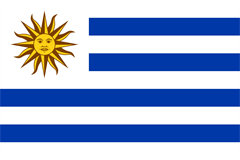 UruguayUruguay's nine stripes recall the country's first administrative divisions.
-
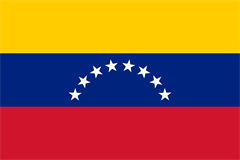 VenezuelaVenezuela's eighth star symbolises a return to an old independence-era decree.