Flag makers have a few unwritten rules: keep it a rectangle, keep it simple enough for a child to draw, make it look the same from both sides. The flags below ignore at least one of them, and that is exactly why people remember them.
Nepal: not a rectangle
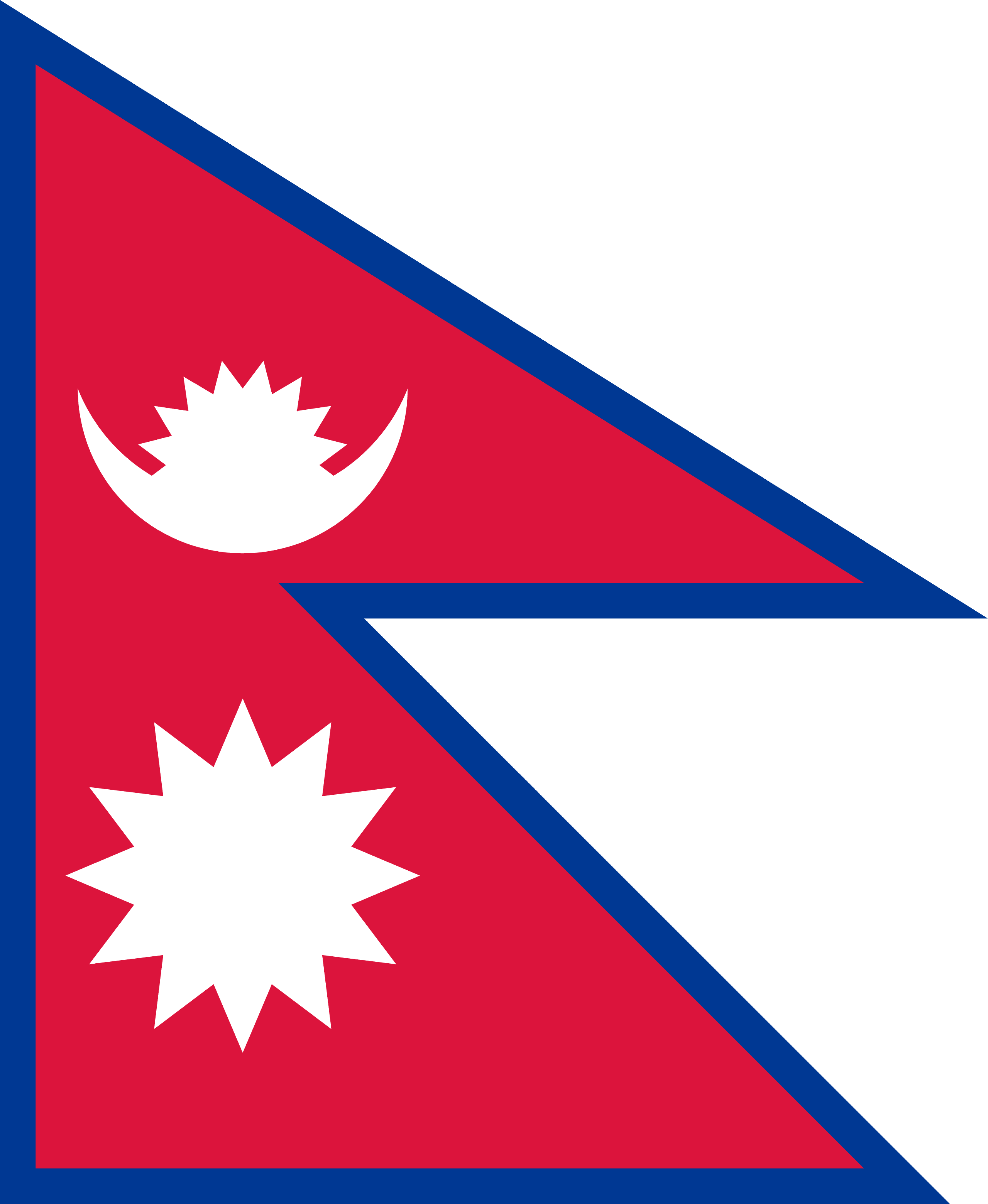
The only national flag that is not a rectangle. It is two stacked pennants in crimson with a blue border, carrying a white moon and sun. The pennants go back to the triangular flags used by the country's dynasties; the constitution even sets out the steps to draw it with a compass and ruler.
Switzerland and the Vatican: square
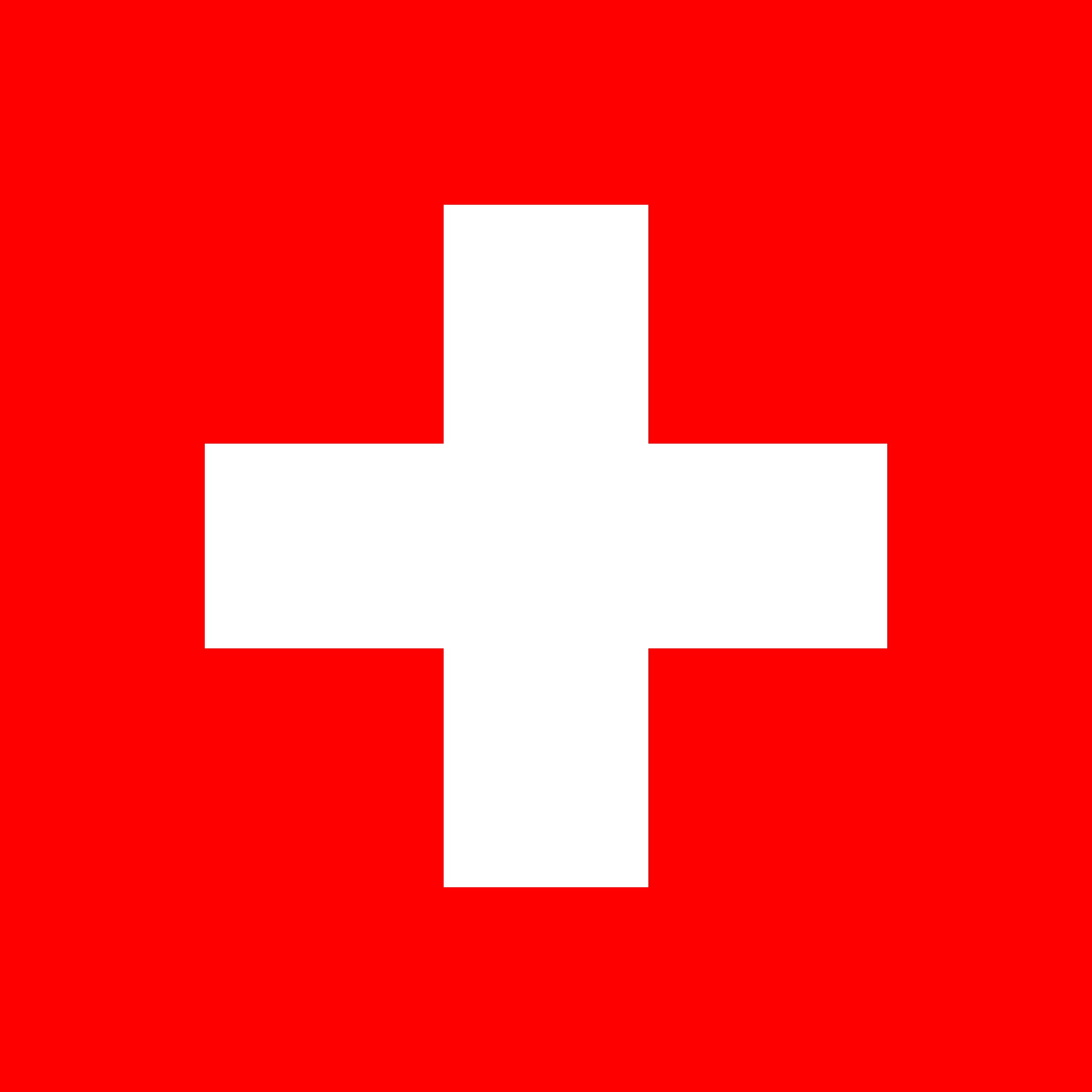
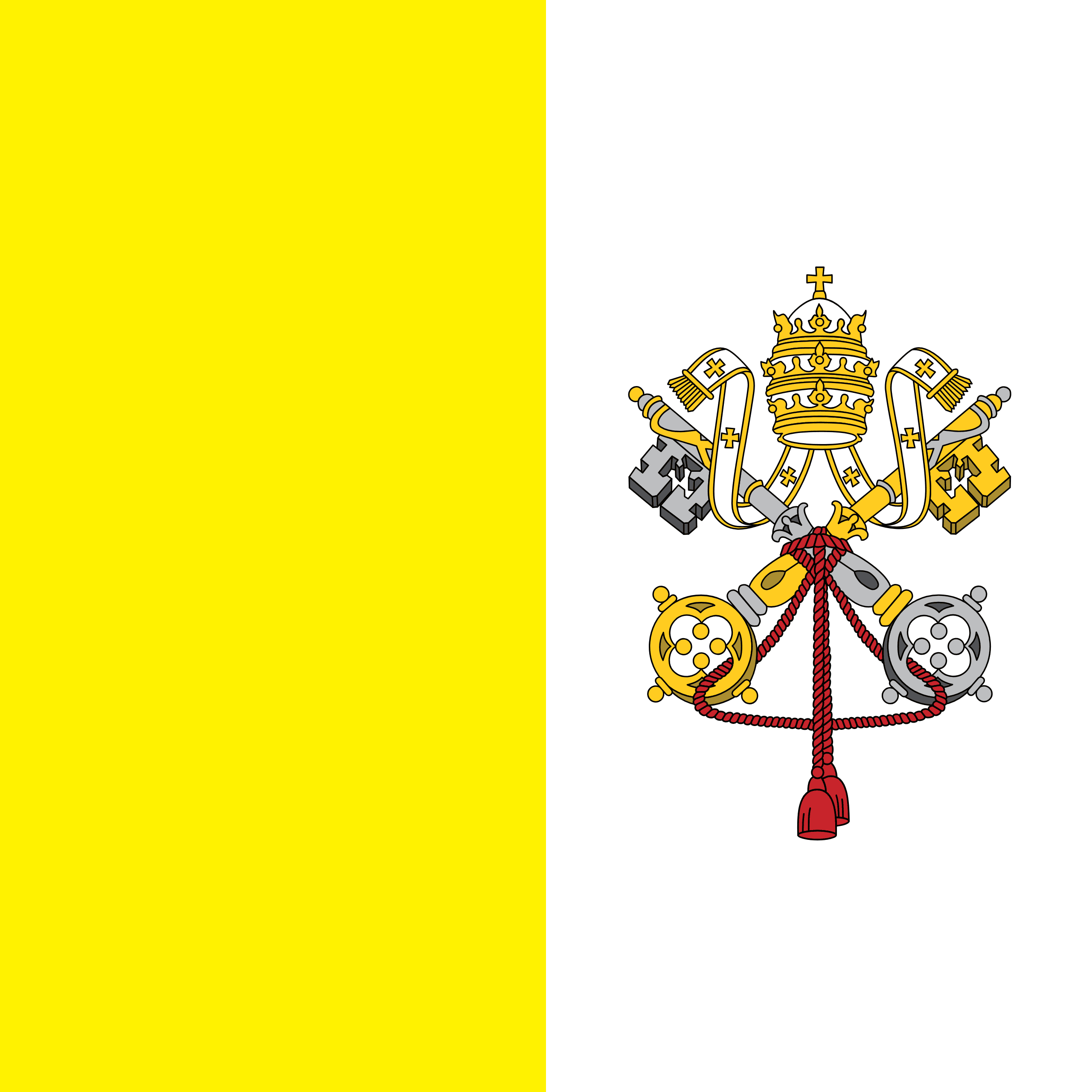
Only two sovereign states use a square national flag: Switzerland, with its white cross on red, and Vatican City, with the crossed keys of Saint Peter in yellow and white. Swiss ships use a rectangular version at sea.
Qatar: the widest
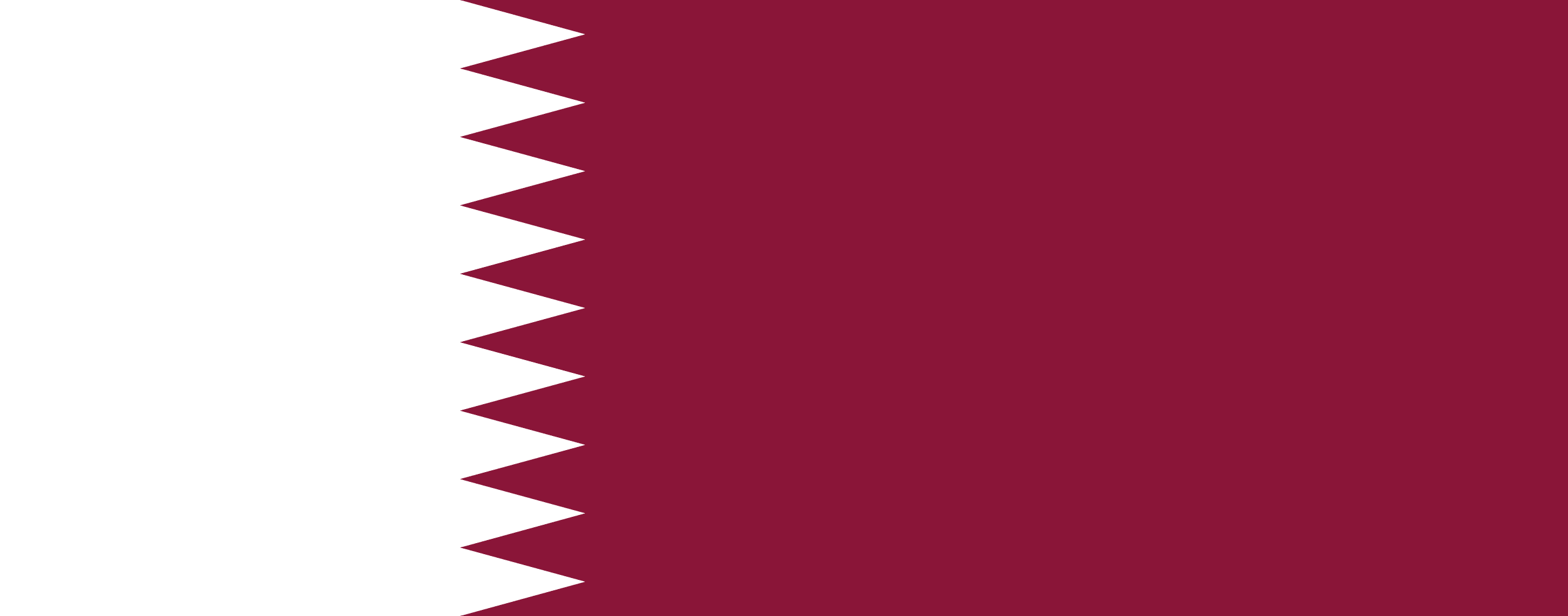
Qatar's flag is more than twice as long as it is high (11:28), the widest national flag in use. Its maroon is said to come from natural dyes that darkened in the sun, and the serrated white band has nine points.
Paraguay: two different sides
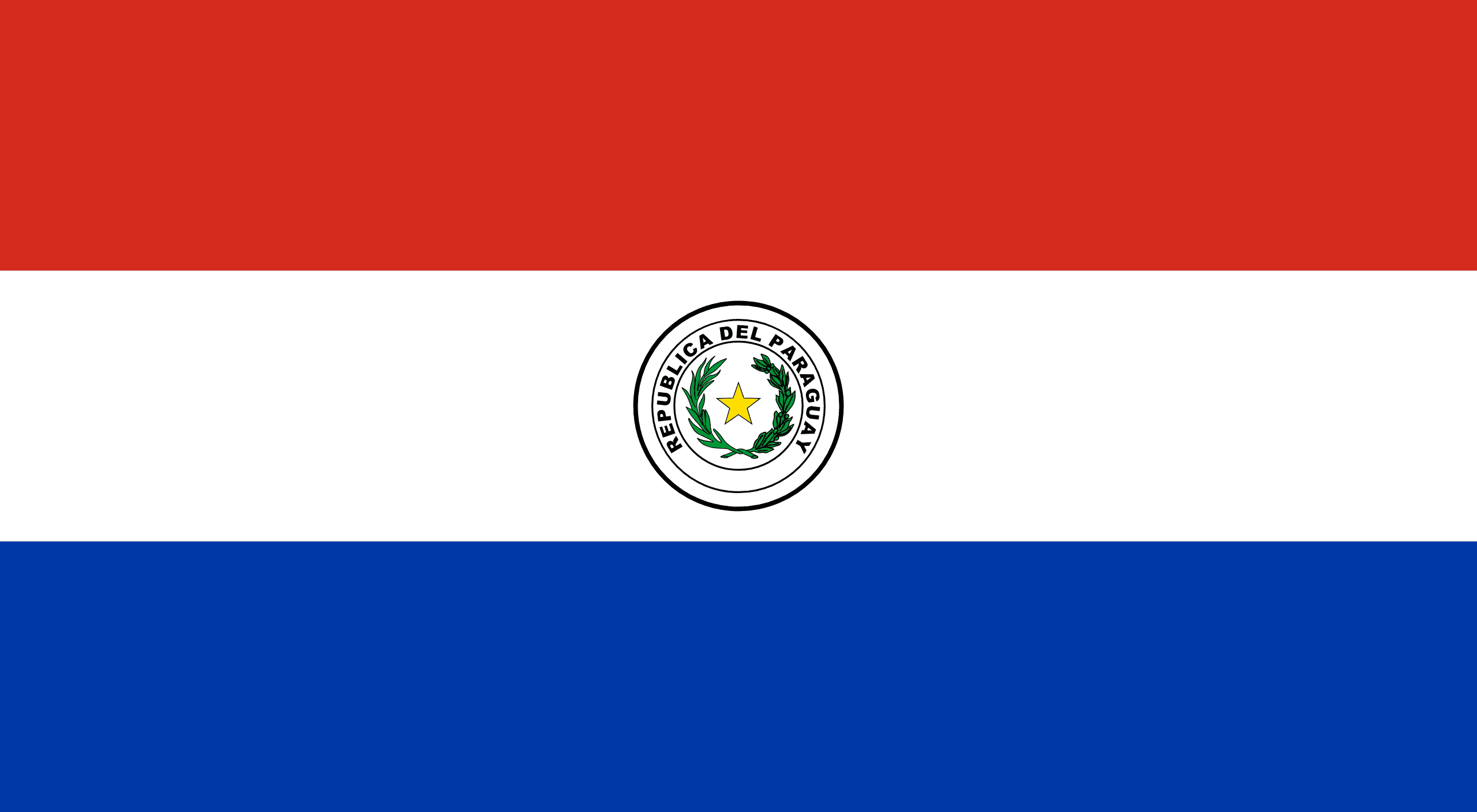
Red, white and blue stripes, but the badge in the middle changes depending on which side you look at: the national coat of arms on the front, the seal of the treasury, a lion with a liberty cap, on the back. Very few flags in the world do this.
Mozambique: a rifle
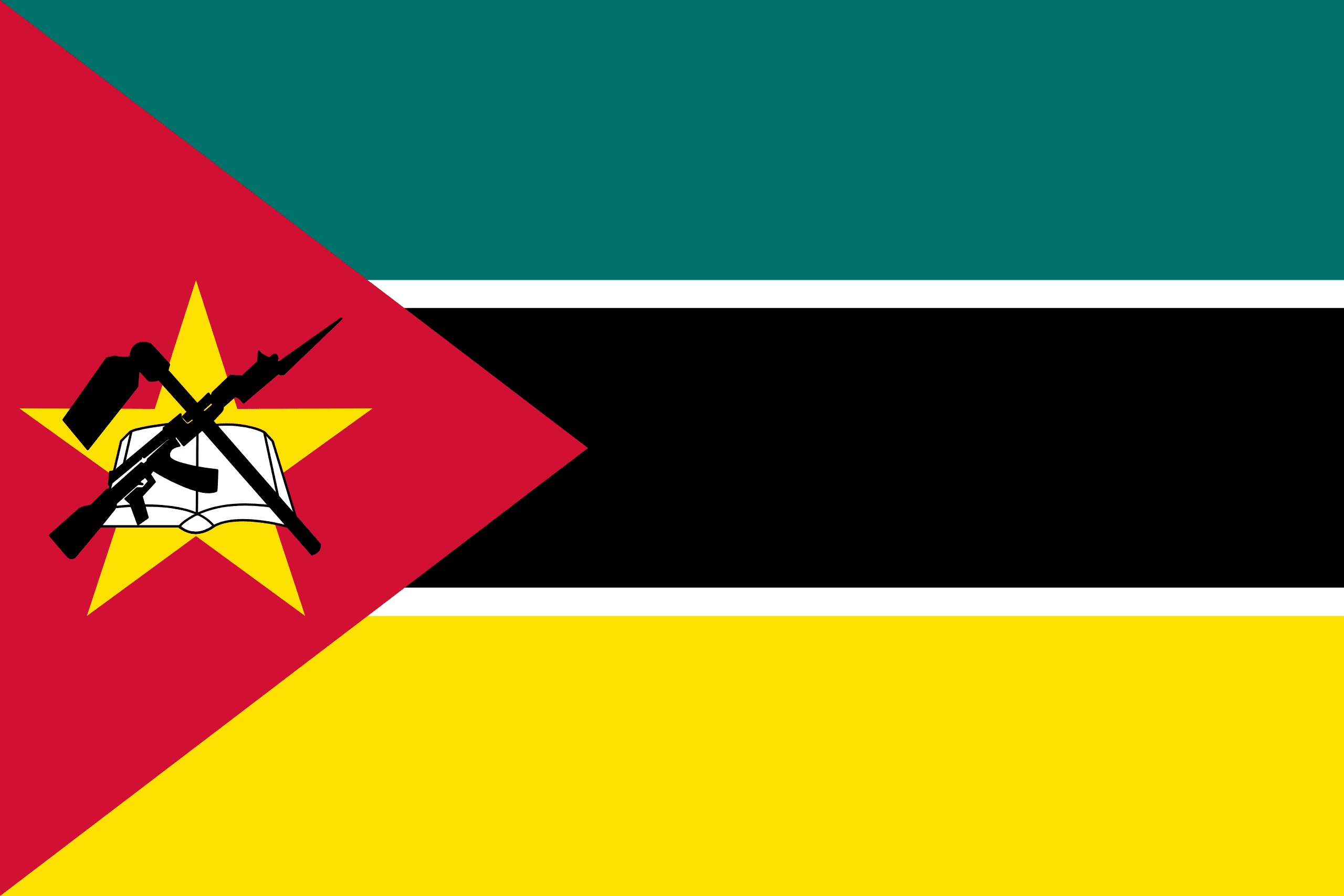
The emblem shows a hoe, an open book and an AK-47 rifle with a bayonet: farming, education and the fight for independence. It is the only national flag with a modern firearm on it.
Cyprus and Kosovo: maps
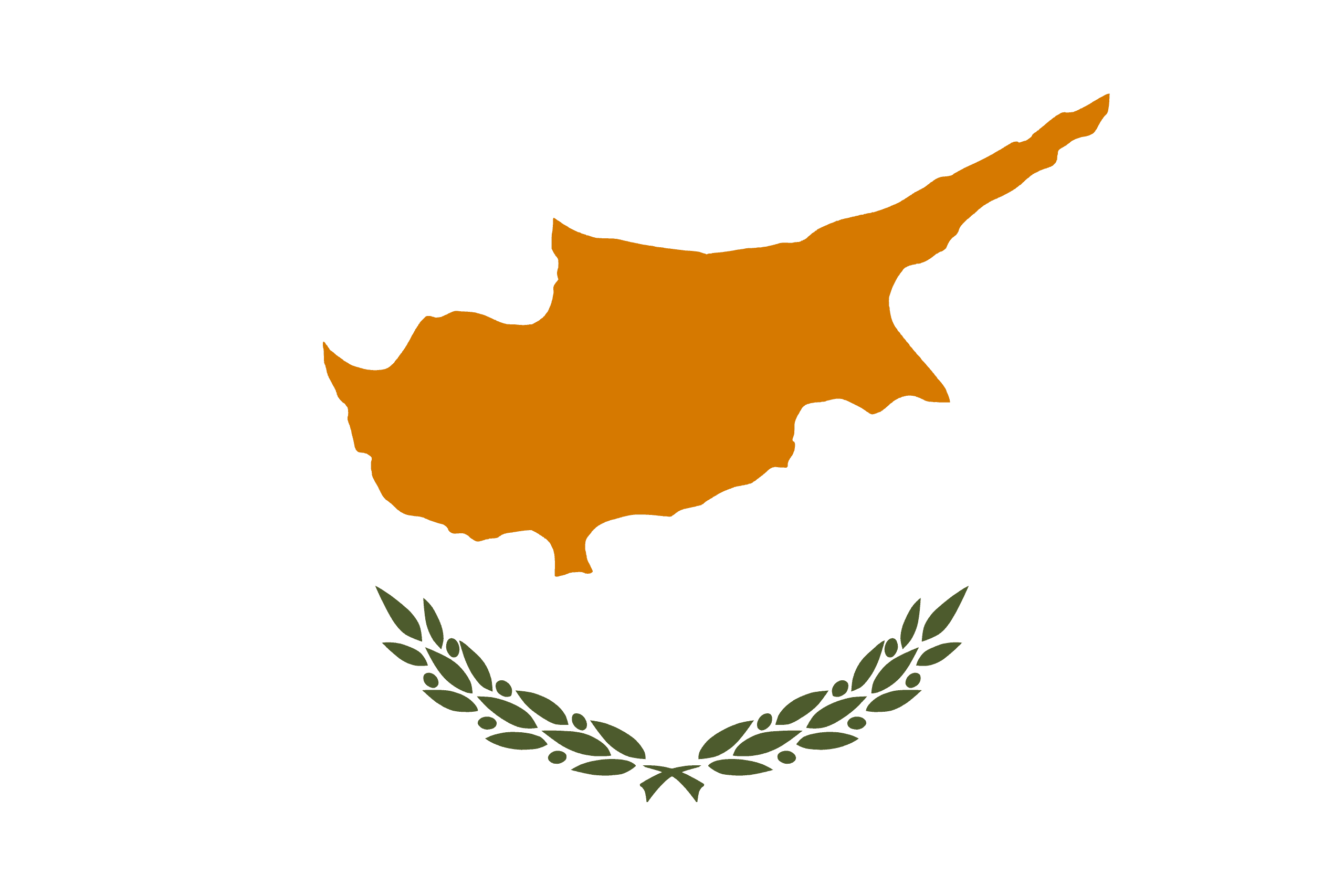
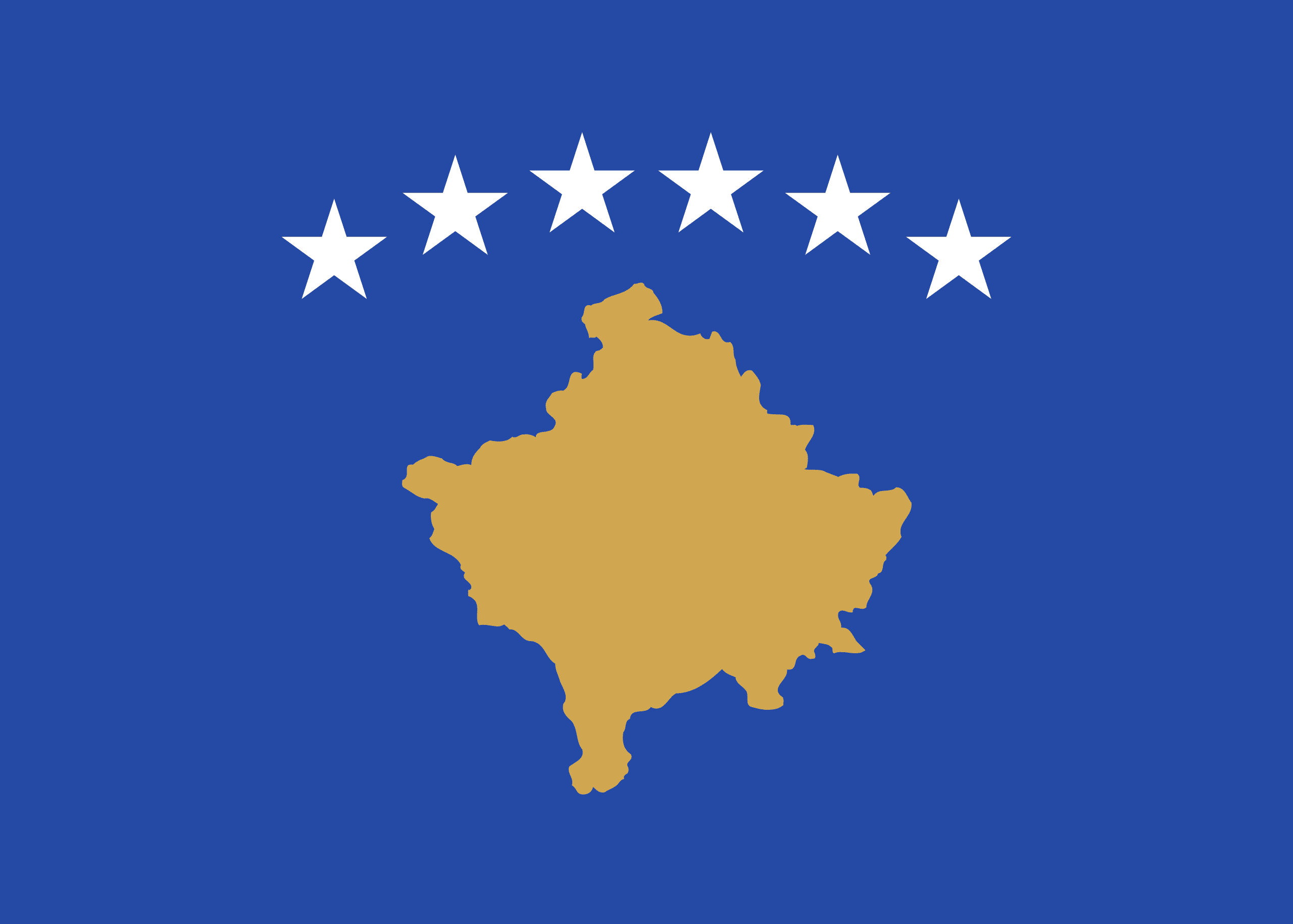
Both put the outline of their own territory on the flag. Cyprus shows the island in a copper colour, for the copper the island was famous for in ancient times, above two olive branches. Kosovo shows its map in gold under six white stars.
Bhutan: a dragon
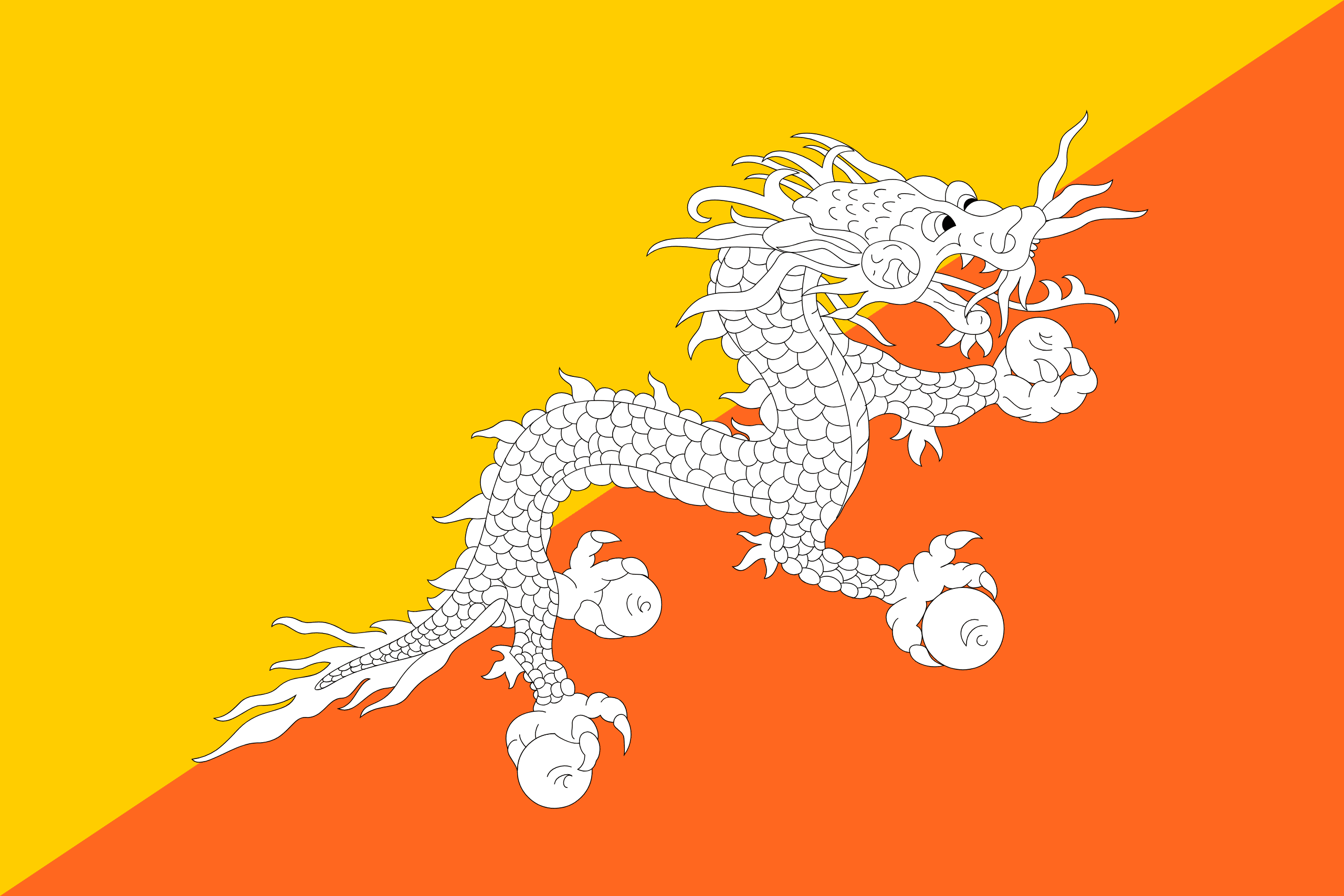
A white thunder dragon, the Druk, holds jewels in its claws across a field split diagonally into yellow and orange. The country's own name, Druk Yul, means "land of the thunder dragon".
Brazil: a real night sky
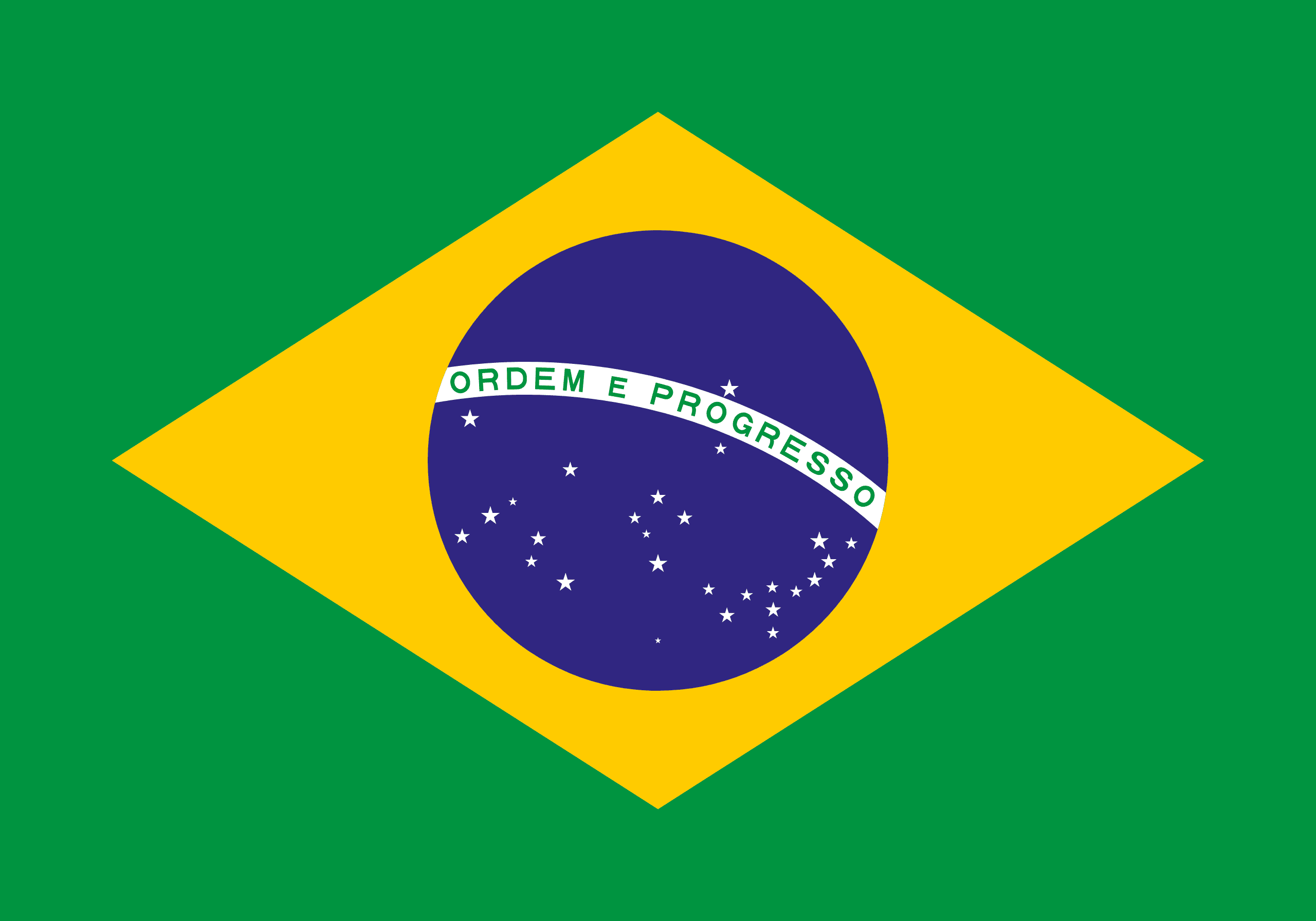
The blue globe is the sky over Rio de Janeiro on the morning of 15 November 1889, the day the republic was proclaimed. Its 27 stars stand for the states and the federal district, and the band reads "Ordem e Progresso" (order and progress).
Kiribati: a bird over the sea
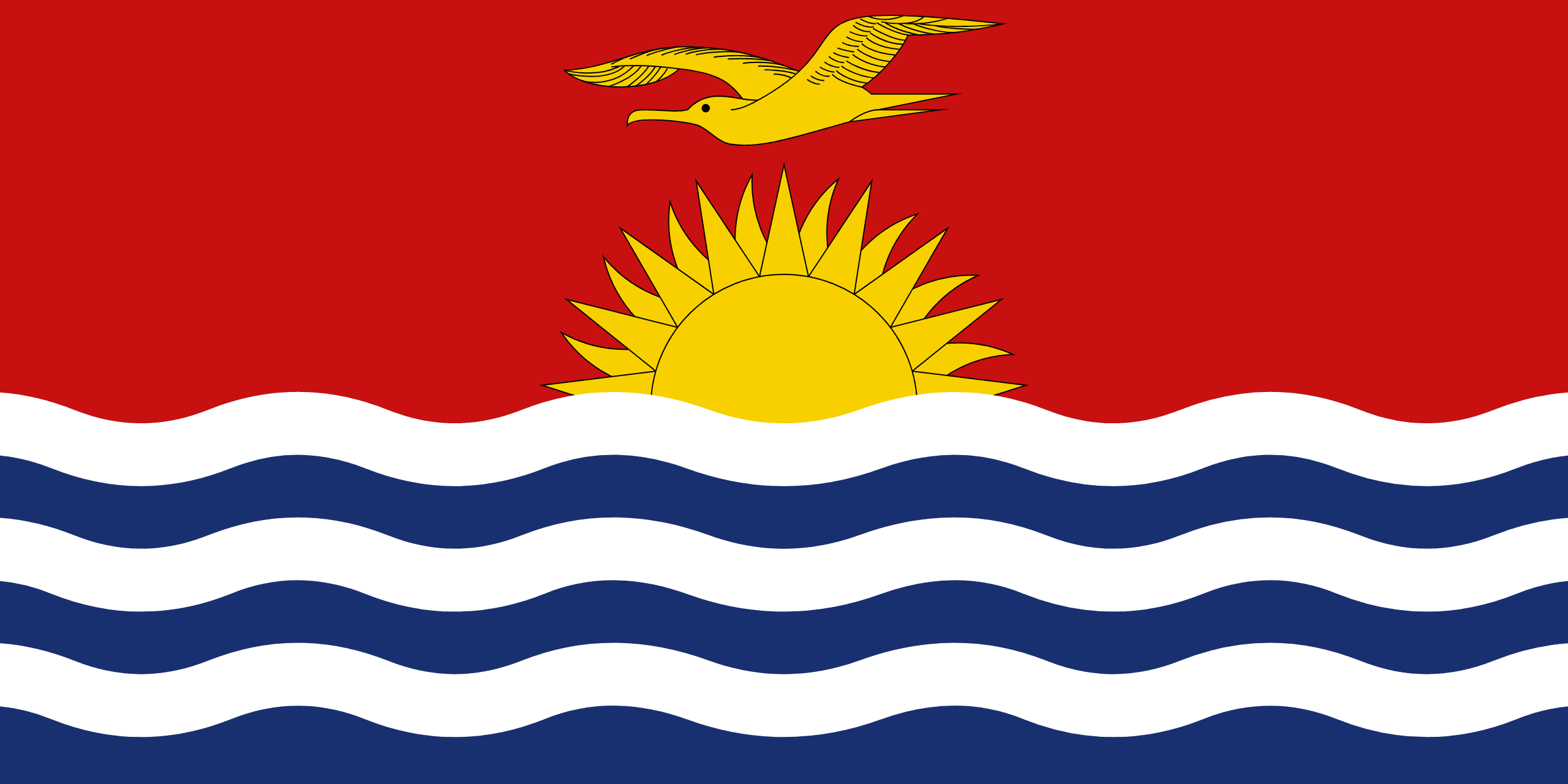
A frigatebird flies over a rising sun and blue and white waves: an island nation spread across the Pacific, drawn as a picture rather than a pattern.
Lebanon: a tree
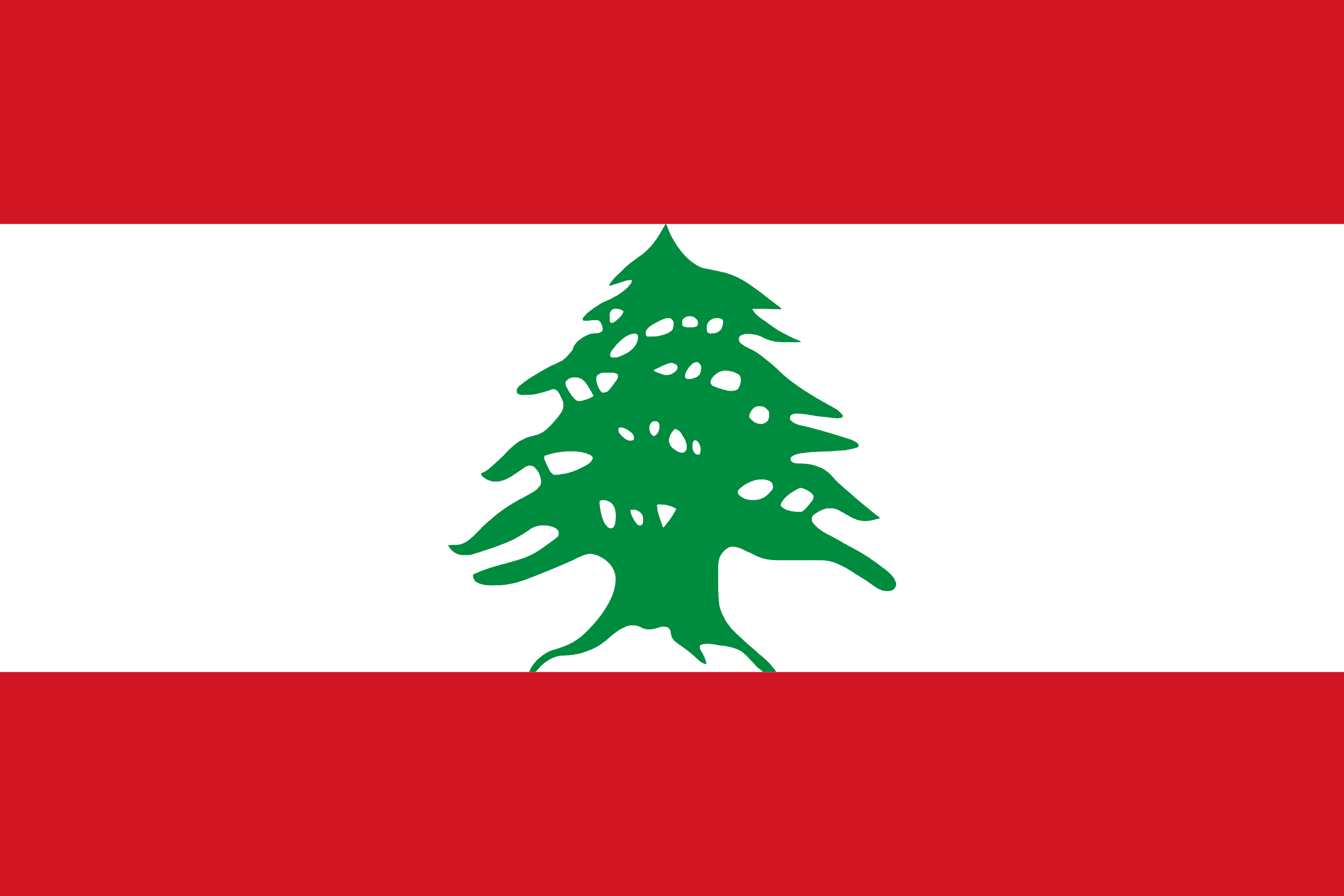
A green cedar between two red bands. The cedar of Lebanon has stood for the country since ancient times and is mentioned many times in the Bible.
Spot them in the arena
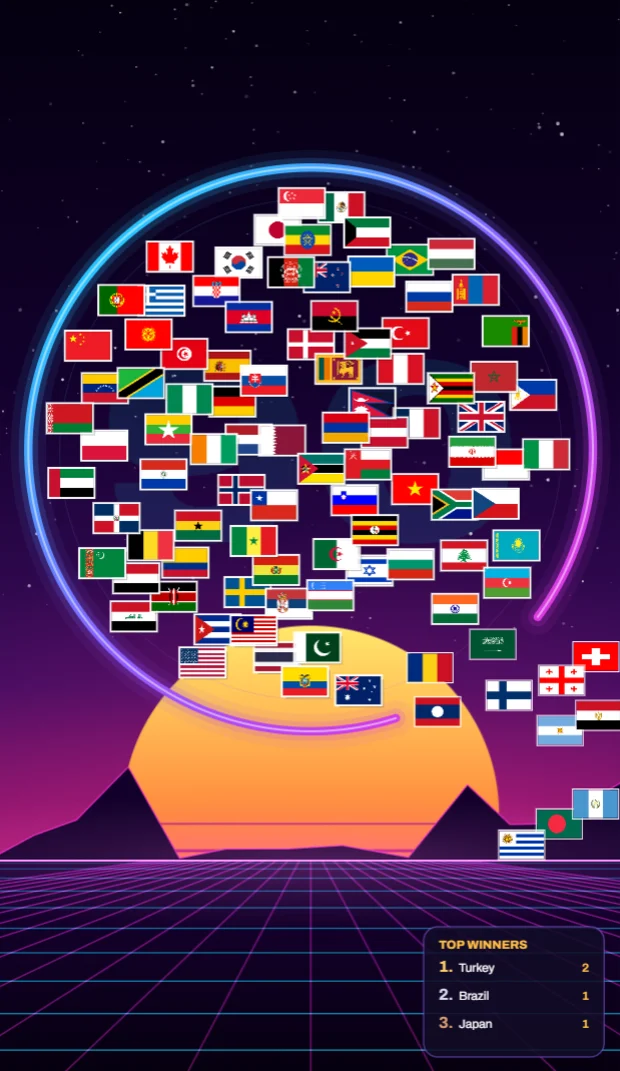
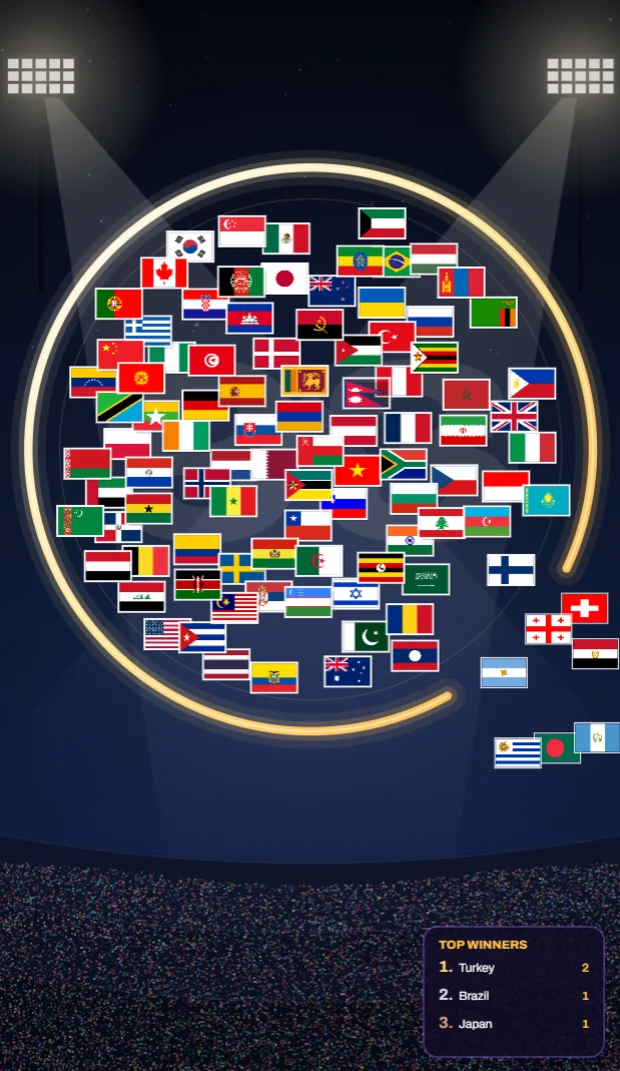
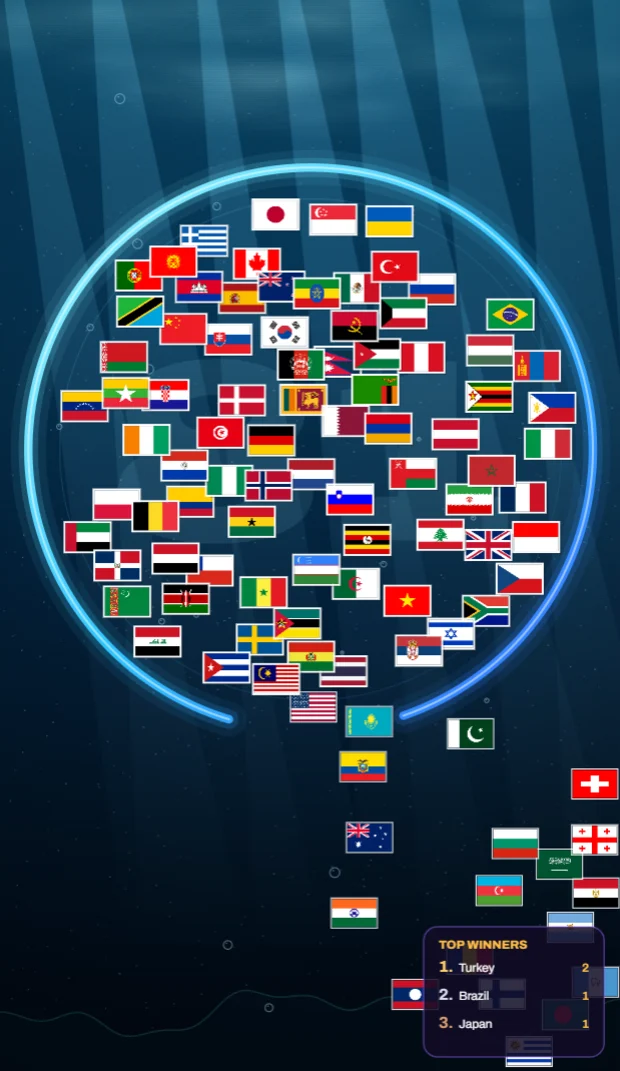
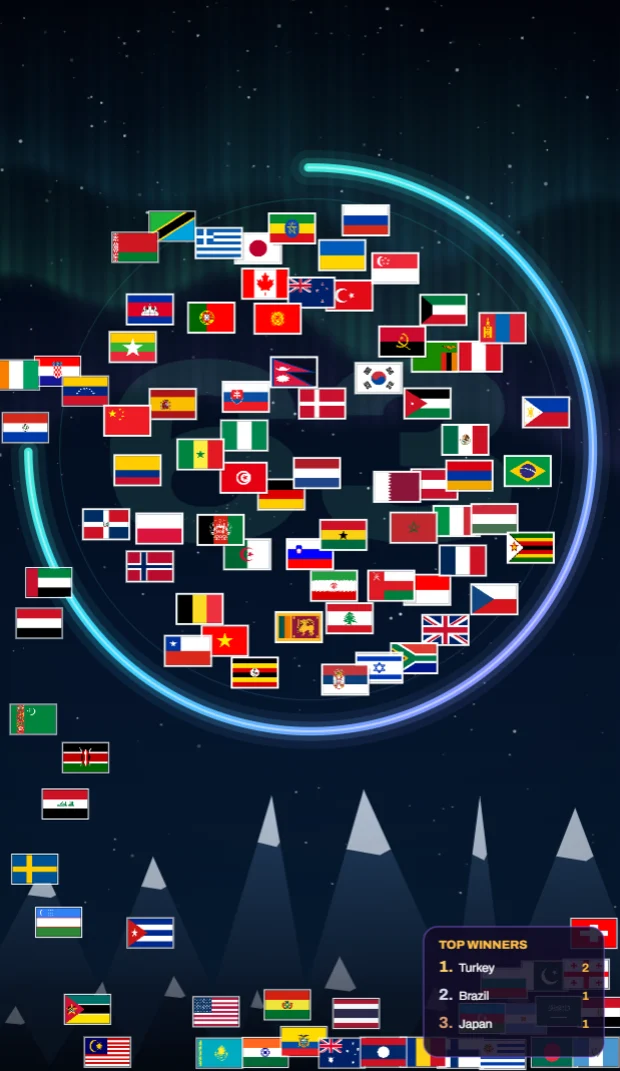
Unusual flags are easy to find in a crowded FlagsBattle round, which makes them great picks for viewers who are new to flags. Ask your chat to support the strangest flag they know and see whether Nepal can outlast the rectangles.
What 120 flags mean, their history and sources: Flags of the world.